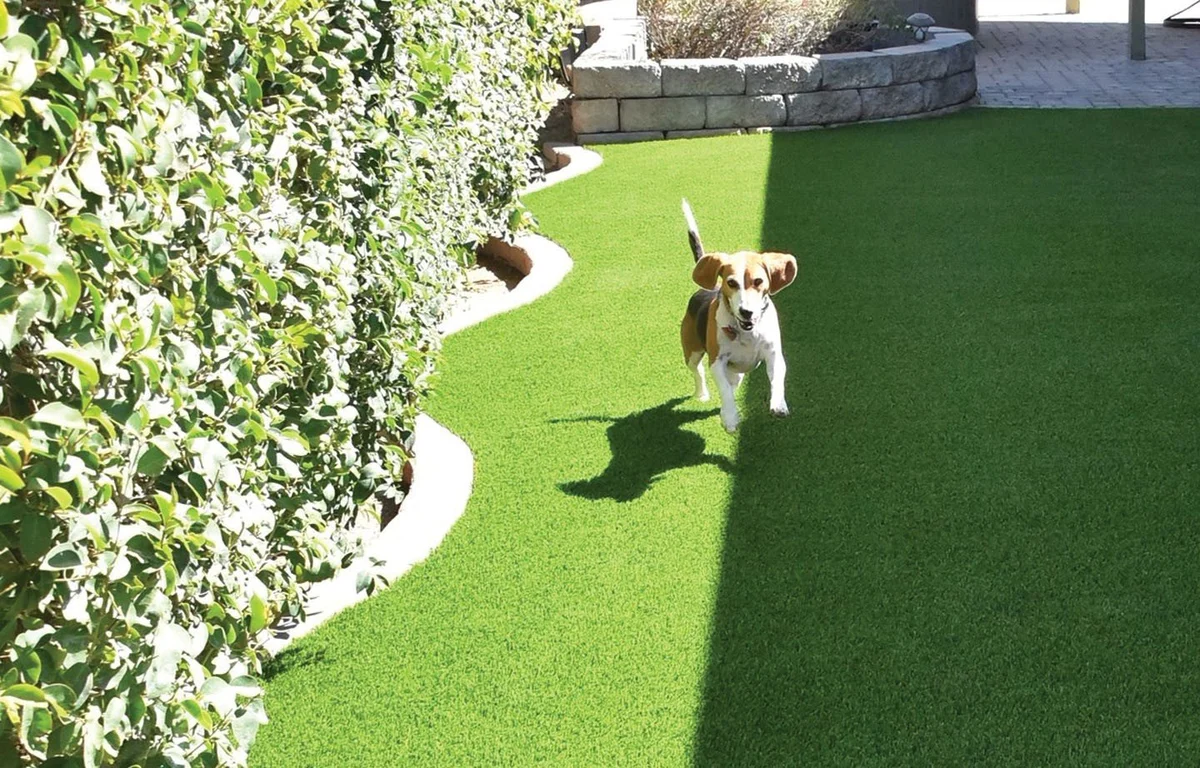
Residential turf installation in Missouri City is fundamentally different from the generic suburban product that works in other Texas markets. The soils, the drainage patterns, and the specific landscape conditions of Missouri City's established neighborhoods require a site-first approach that starts with what is underneath the turf rather than what you can see from the street. Quail Valley lots developed in the 1970s have mature live oaks and pecans with root systems that run under patios, pool decks, and fence lines. The clay in these lots has gone through fifty years of seasonal expansion and contraction, creating subgrade behavior that is highly predictable if you understand it and destructive to a turf installation if you ignore it. Hunters Glen backyards often back to Steep Bank Creek drainage easements that define the perimeter of the turf area and require specific edge treatment at the property-easement boundary. Lake Olympia and Olympia Estates lots sit closer to the lake's seasonal water table variation, which affects base saturation timing during wet seasons. Artificial Turf of Missouri City builds residential installations around these neighborhood-specific conditions. A Quail Valley installation starts with root zone assessment and hardscape transition planning. A Hunters Glen installation starts with easement boundary documentation. A Lake Olympia installation starts with seasonal water table evaluation. The base engineering follows from those conditions, and product selection follows from the base engineering. The result is a residential surface that performs predictably through Missouri City's full weather cycle — through Brazos corridor flood seasons, through August drought heat, and through the temperature cycling that causes poorly engineered bases to fail in year two or three.