
Introduction
Rosenberg sits at the western end of Fort Bend County's suburban corridor on the Brazos River floodplain, requiring aggressive drainage base engineering and commercial scheduling expertise for US-59 corridor properties.
Loading content...
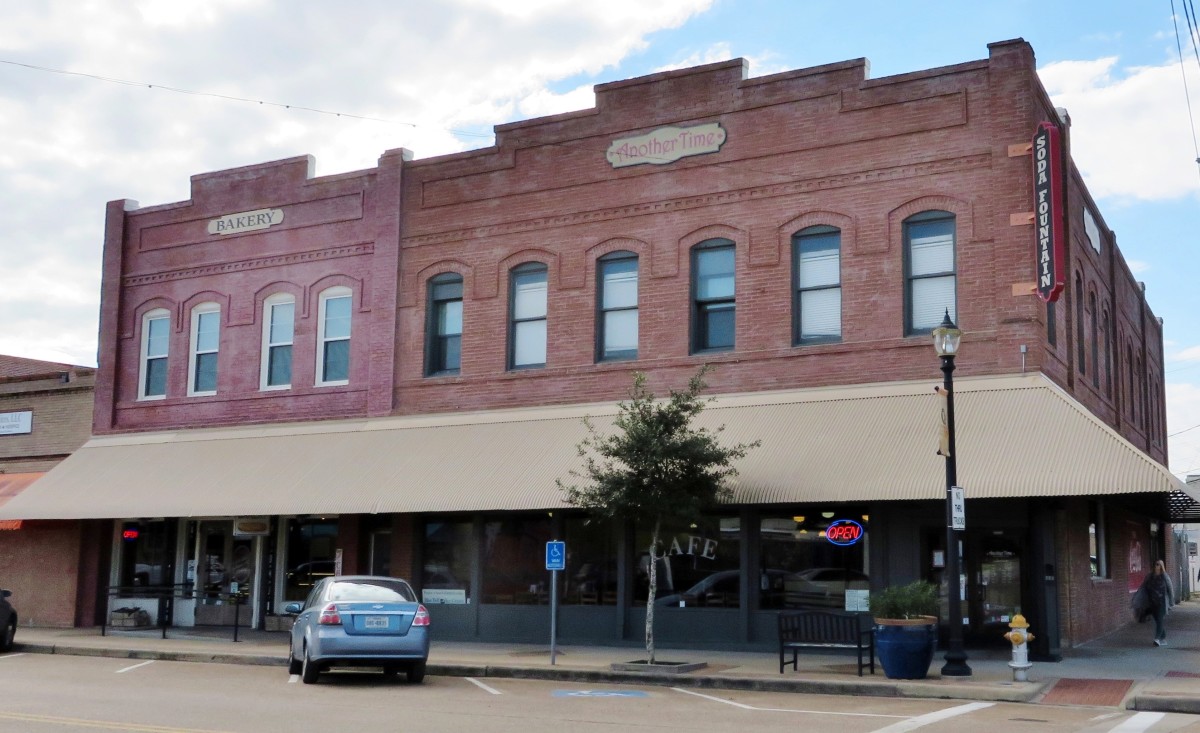
Brazos River corridor, Highway 59 commercial strip, and the growing Rosenberg-Richmond residential market — turf engineered for Fort Bend County's western floodplain soils.
Rosenberg sits along US-59 at the western end of the Fort Bend County suburban belt, positioned on the Brazos River floodplain in a way that creates some of the most challenging soil conditions in our service area. The Brazos runs close enough to the city center that older neighborhoods in the flood corridor have dealt with high-water events that redefined how drainage systems were built and how residential lots were graded. Newer residential development along the Grand Parkway corridor and south of Richmond-Rosenberg Road has brought master-planned subdivision character to the area, but the underlying Brazos bottomland clay persists regardless of how new the home is. Artificial Turf of Missouri City understands the Rosenberg drainage context because we have been working Fort Bend County's western floodplain properties long enough to know that base engineering here is not optional — it is the difference between a turf surface that performs and one that develops drainage problems in the first wet season. The Highway 59 commercial corridor also presents a different installation challenge: commercial properties between Brazos Crossing and the US-59 service road need landscape installations that minimize business disruption while delivering a finished surface that can handle commercial foot traffic and the appearance standards of a visible arterial location. Whether you are a Rosenberg homeowner who has replaced a dead St. Augustine lawn three times in the last decade, or a commercial property manager on US-59 who needs a green landscape without a grounds crew budget, the starting point is the same: an honest site evaluation that looks at soil type, grade, drainage outlets, and intended use before any product is selected.
Rosenberg sits at the western end of Fort Bend County's suburban corridor on the Brazos River floodplain, requiring aggressive drainage base engineering and commercial scheduling expertise for US-59 corridor properties.
Brazos floodplain clay in Rosenberg holds water longer than properties farther east, older flood-corridor neighborhoods have complex drainage histories, and US-59 commercial properties require scheduled installation that does not disrupt business operations.
We use deep aggregate bases with perforated drainage layers on Rosenberg's heaviest clay lots, evaluate historical drainage behavior on flood-corridor properties before base design, and schedule commercial installations around US-59 business hours.
Rosenberg homeowners get a surface that performs through the full Brazos floodplain seasonal cycle, and commercial operators get a low-maintenance landscape that stays presentable year-round without a dedicated grounds crew.
Every Rosenberg project starts with a drainage-priority site evaluation, followed by soil-calibrated base construction, turf installation, and a final review that confirms drainage performance before the property is returned to full use.
Rosenberg coverage includes the US-59 corridor, flood-corridor residential neighborhoods, and newer Grand Parkway residential developments, with route connections to Richmond, Sugar Land, Fresno, and Missouri City.
Rosenberg properties span the US-59 commercial corridor, established flood-corridor residential neighborhoods, and newer Grand Parkway residential development, each with different installation priorities.
Highway 59 commercial strip and Brazos Crossing area properties where installation scheduling around business hours and visible landscape appearance are the key requirements.
Older Rosenberg residential properties near the Brazos River with complex drainage histories and heavy clay soil that requires experienced floodplain base engineering.
Newer master-planned residential communities south of Richmond-Rosenberg Road where Fort Bend clay persists under newer construction and base engineering is still critical.
Brazos River floodplain clay, flood-corridor drainage history, and US-59 commercial density create a distinct set of installation requirements for Rosenberg properties.
Rosenberg's heaviest clay soils are in the Brazos floodplain corridor near the river, where seasonal saturation can last for extended periods. Base aggregate depth is calibrated to these conditions specifically.
Older Rosenberg neighborhoods near the Brazos have drainage infrastructure that reflects past flood events. We evaluate each property's drainage network before base planning to understand how water moves through and out of the site.
Commercial properties on the US-59 corridor have high public visibility and operating-hours constraints. Installation planning prioritizes both appearance quality and scheduling that avoids customer-facing disruption.
Rosenberg flood-corridor homeowners, US-59 commercial operators, and Grand Parkway corridor residents each need different installation approaches — we build the scope around the property's specific conditions.
Rosenberg residents near the Brazos River who have dealt with chronic drainage issues and want a permanent surface solution that won't flood out every wet season.
Commercial operators and property managers on Highway 59 who need a year-round green landscape without a grounds maintenance contract and installation that doesn't close the parking lot.
Newer Rosenberg-area subdivision homeowners who want a low-maintenance yard that performs better than natural grass on Fort Bend clay, regardless of rainfall patterns.
Rosenberg installations are planned around Brazos drainage windows to avoid working on saturated subgrade, and commercial US-59 projects are scheduled around business operating hours. We provide direct scheduling communication before any work begins.
Rosenberg coverage includes the US-59 commercial corridor, Brazos flood-corridor neighborhoods, and Grand Parkway residential developments, with route connections to Richmond, Sugar Land, Fresno, and Missouri City.
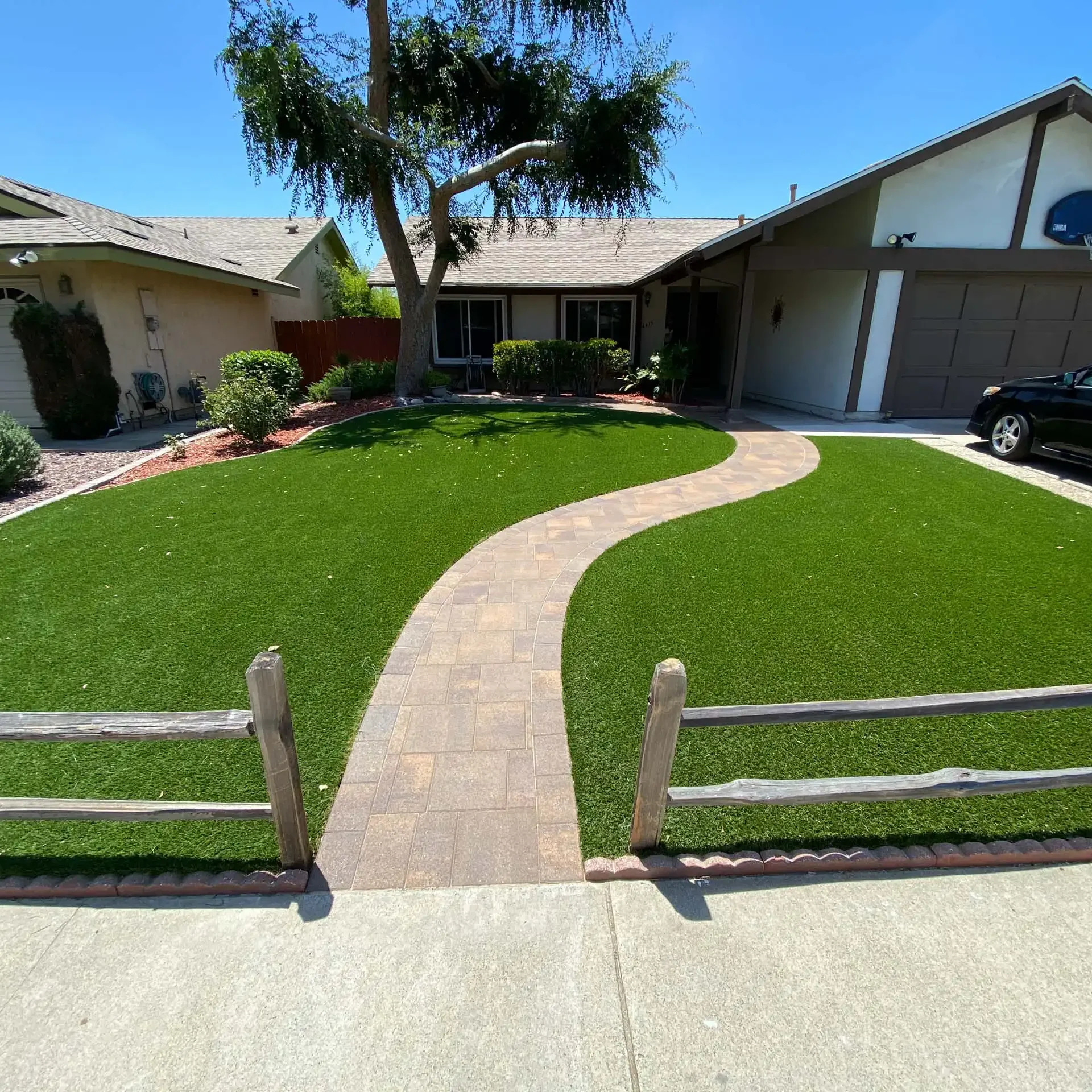
Full artificial turf installation for Rosenberg properties engineered for Brazos River floodplain clay and Fort Bend County drainage conditions.
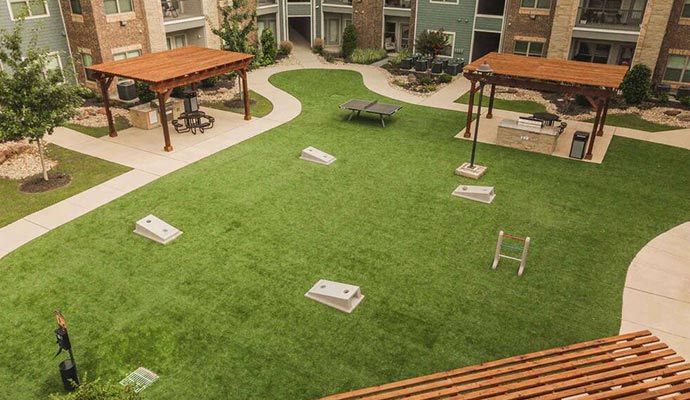
Residential turf for Rosenberg's flood-corridor neighborhoods and Grand Parkway corridor developments.
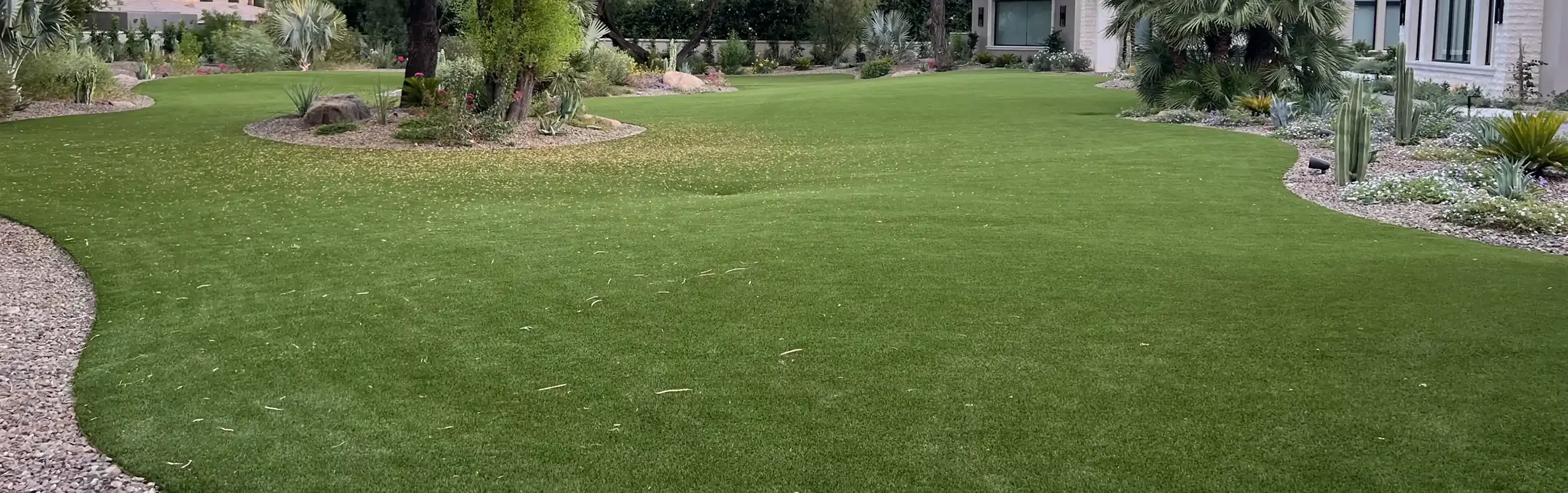
Commercial turf for Rosenberg's US-59 corridor properties, scheduled around business operating hours.
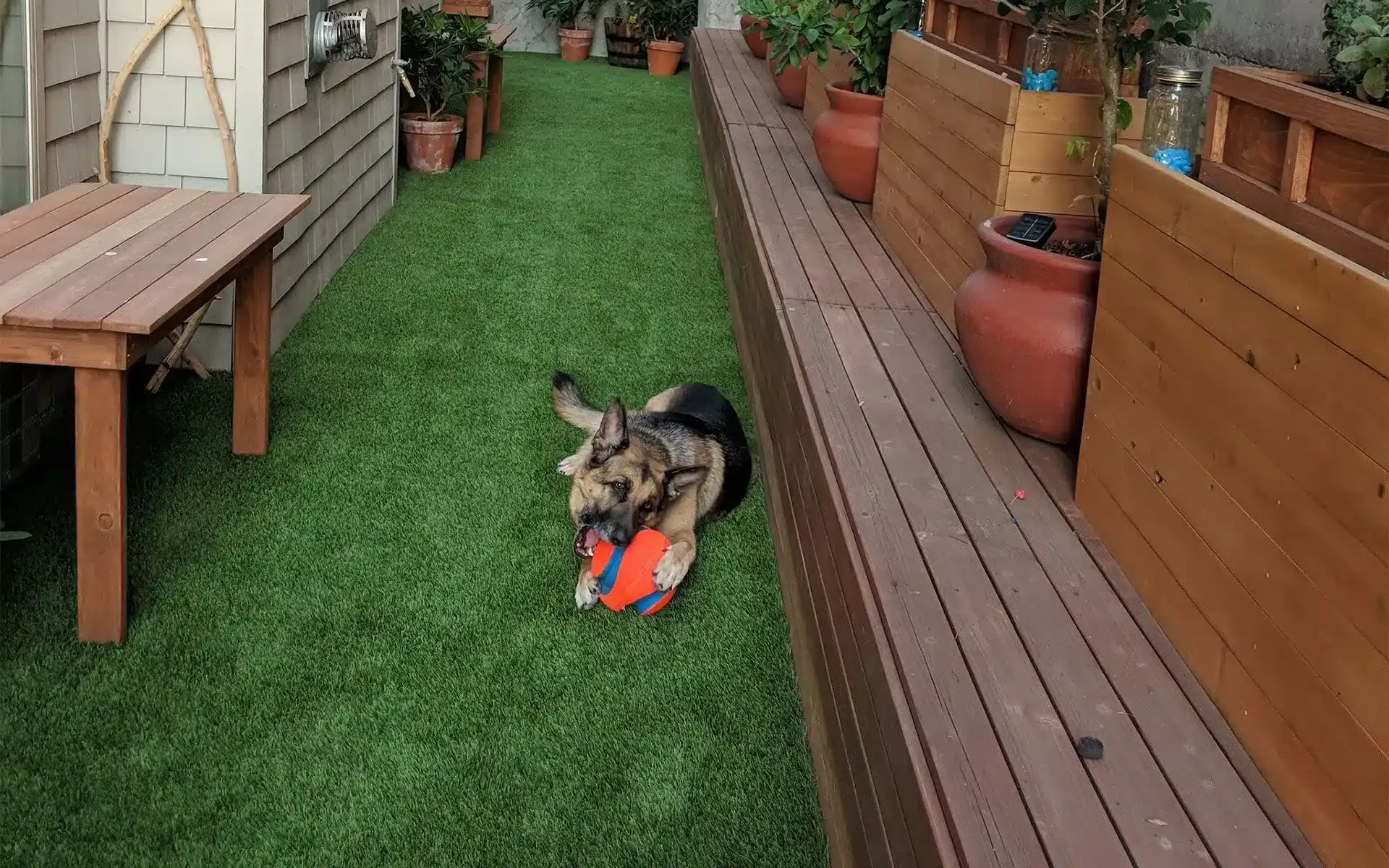
Pet-specific drainage turf for Rosenberg residential properties on Brazos floodplain soils.
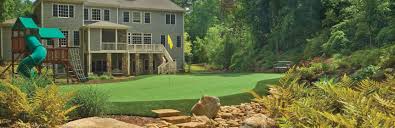
Custom putting greens for Rosenberg residential properties with adequate backyard space.
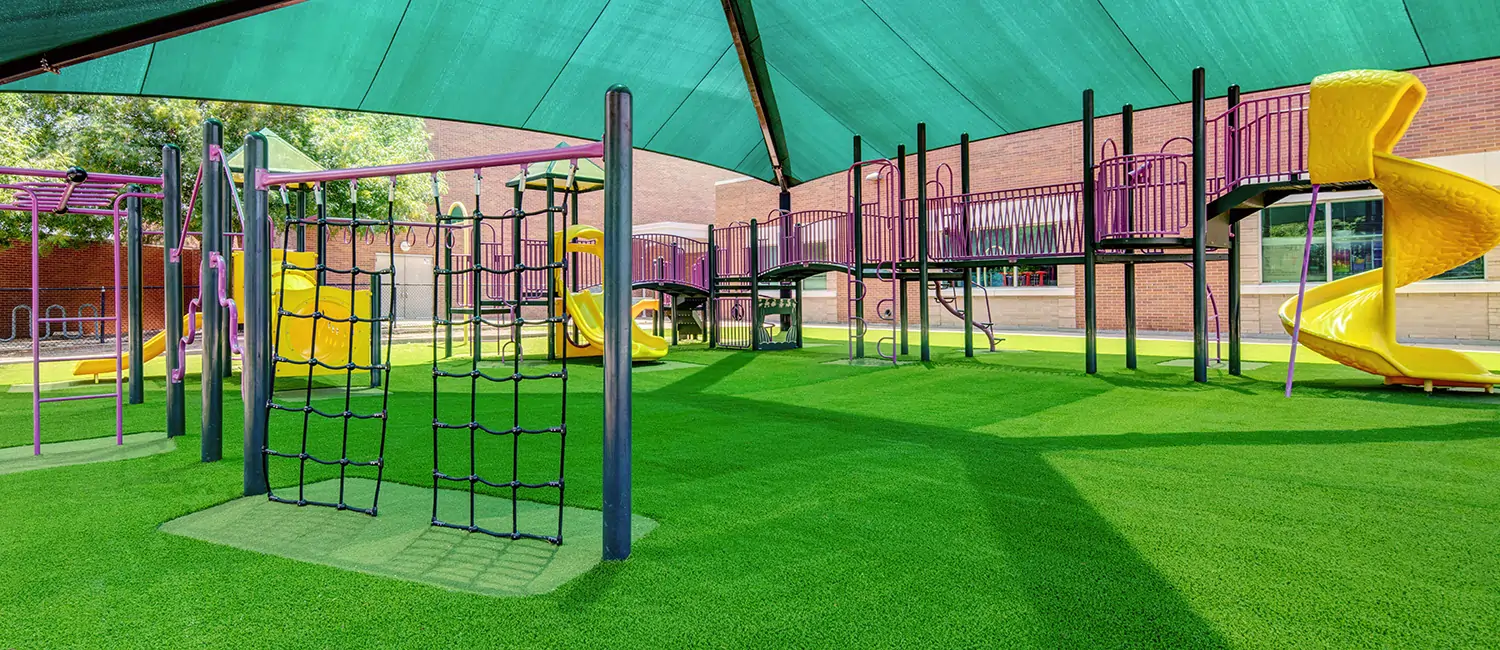
Safe-surface playground turf for Rosenberg homes and community play areas.
It is a challenge that we plan around specifically. Rosenberg's floodplain clay is among the heaviest in our service area, so we use deeper aggregate bases, perforated drainage layers, and more aggressive perimeter outlet routing than we would on properties farther from the Brazos corridor.
Yes. Commercial installations on the US-59 corridor are phased and scheduled around operating hours, with material staging planned to keep customer access open throughout the project.
We review the property's drainage infrastructure — including any flood-event modifications to grade or drainage outlets — before base design. Historic flood behavior tells us where water moves and how fast, which directly shapes the drainage base specification.
Yes. The FM 762 corridor south of Rosenberg is within our route coverage, with the same Brazos floodplain soil conditions that define Rosenberg project engineering requirements.
Standard residential projects run two to five days depending on square footage, drainage complexity, and existing hardscape removal. Brazos floodplain lots sometimes require more base work time than comparable properties farther from the river.
Send project details and timeline information to get route scheduling options for this location.
Call