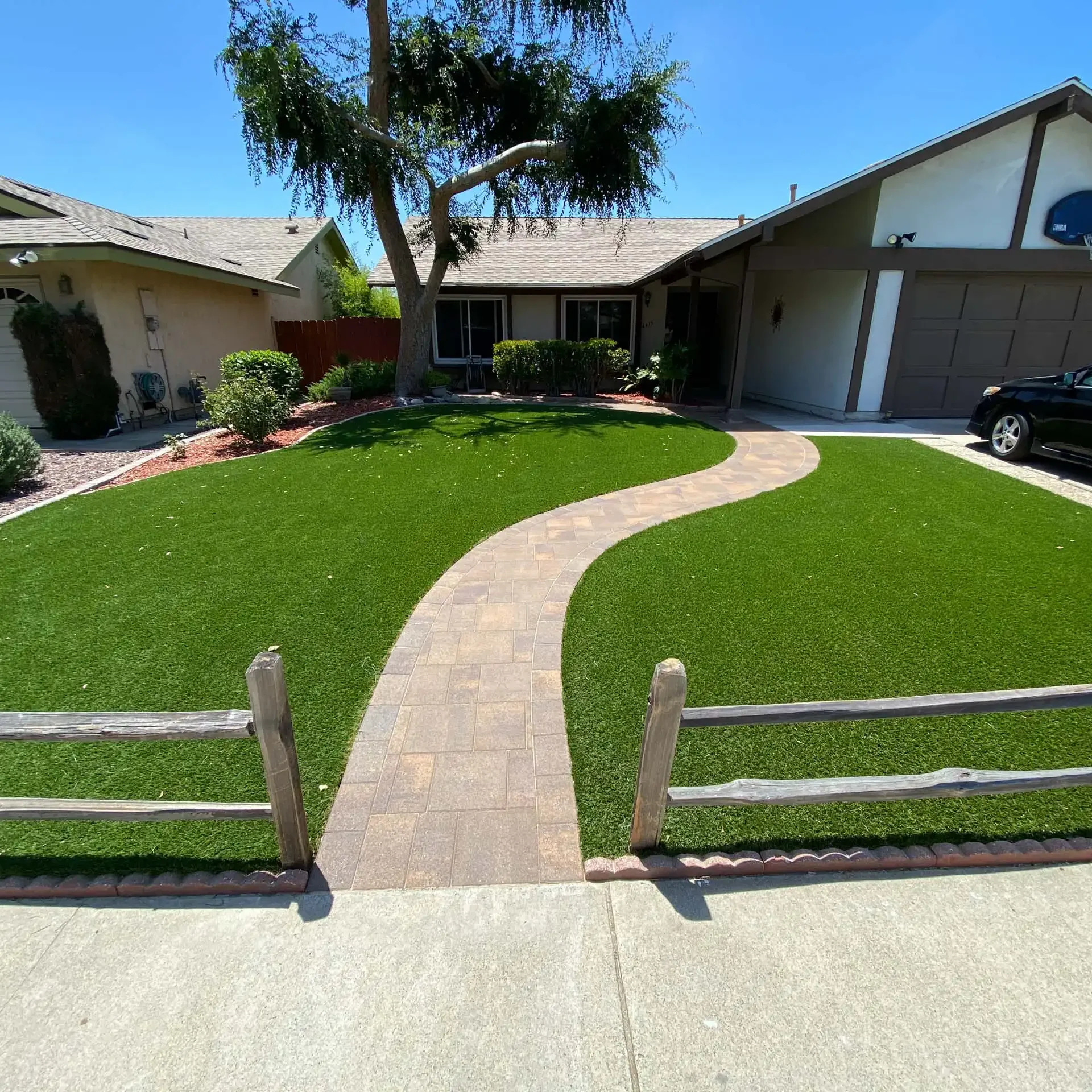
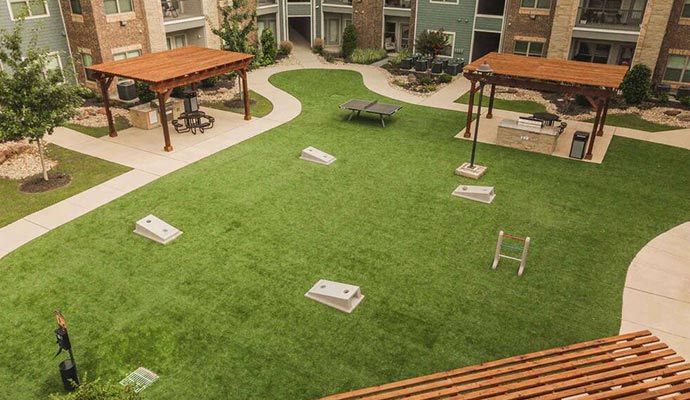
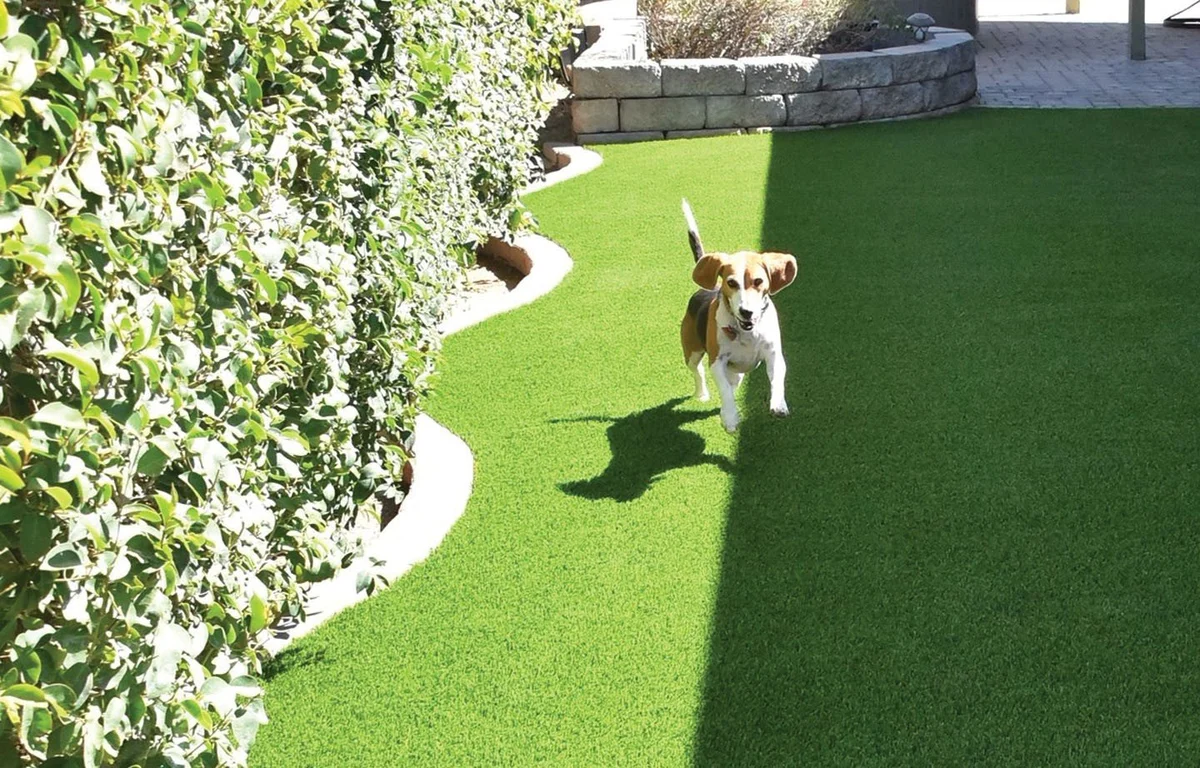
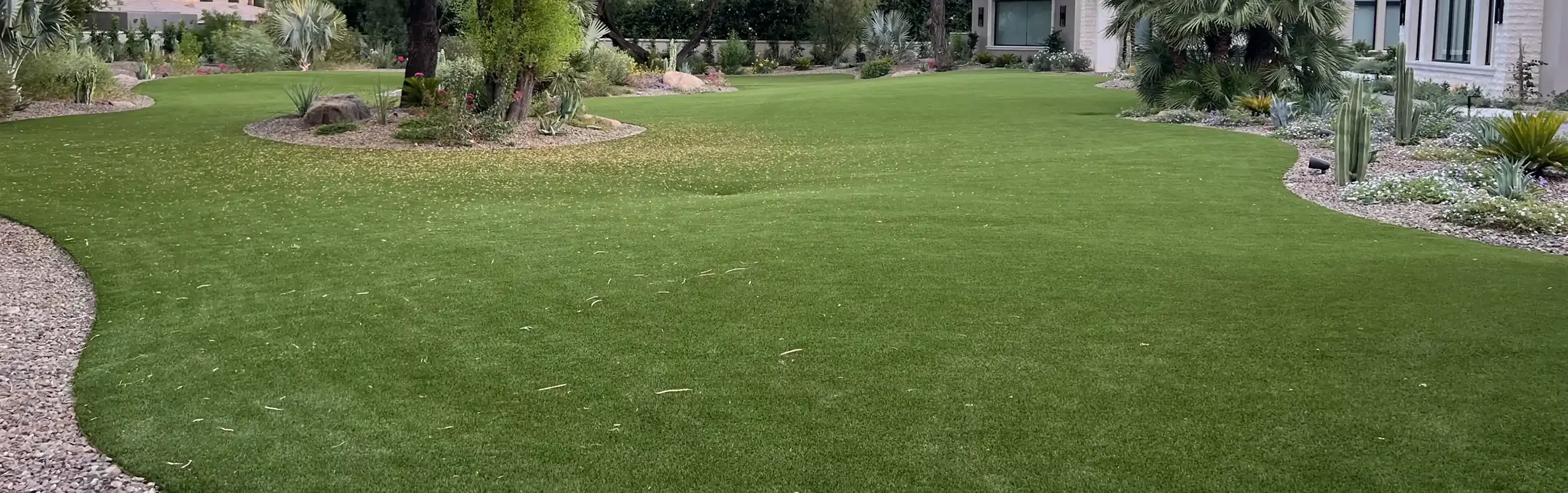
Artificial turf installation in Missouri City and the surrounding Fort Bend County corridor is not a product decision — it is an engineering decision. The Brazos bottomland clay that runs under Quail Valley, Hunters Glen, Steep Bank Village, and Lake Olympia behaves in ways that defeat generic installation approaches. It expands in wet seasons and contracts in drought, creating subgrade movement that lifts edge anchoring and develops surface irregularity if the base is not built to accommodate that cycle. The Brazos watershed drainage pattern means that after a significant rain event, water moves across Fort Bend County properties slowly — pooling in low spots, backing up against fence lines, and saturating subgrade that doesn't drain at the rate a standard aggregate base assumes. Artificial Turf of Missouri City builds every installation around these realities. Our process starts with the soil, not the turf product. We evaluate grade transitions, identify low points and drainage outlets, assess the existing subgrade condition, and map drainage routes before any material selection happens. That evaluation drives the base specification — aggregate type, depth, compaction density, and drainage layer configuration — which in turn determines how the finished surface will perform through Fort Bend County's full weather cycle. Product selection happens after base engineering, not before. The turf face fiber, pile height, and infill type are matched to the intended use of the surface: golf course-adjacent residential lots in Quail Valley have different performance priorities than a Hunters Glen dog run or a commercial property on the Fort Bend Toll Road corridor near Highway 6. Every installation closes with a detailed walkthrough that covers surface care, drainage maintenance, and long-term performance expectations so the property owner understands what they have and how to keep it performing over time.