
Introduction
Fresno sits in the Brazos River floodplain corridor south of Missouri City, requiring more aggressive drainage base engineering than properties north of Highway 6 where soils are somewhat less saturated.
Loading content...
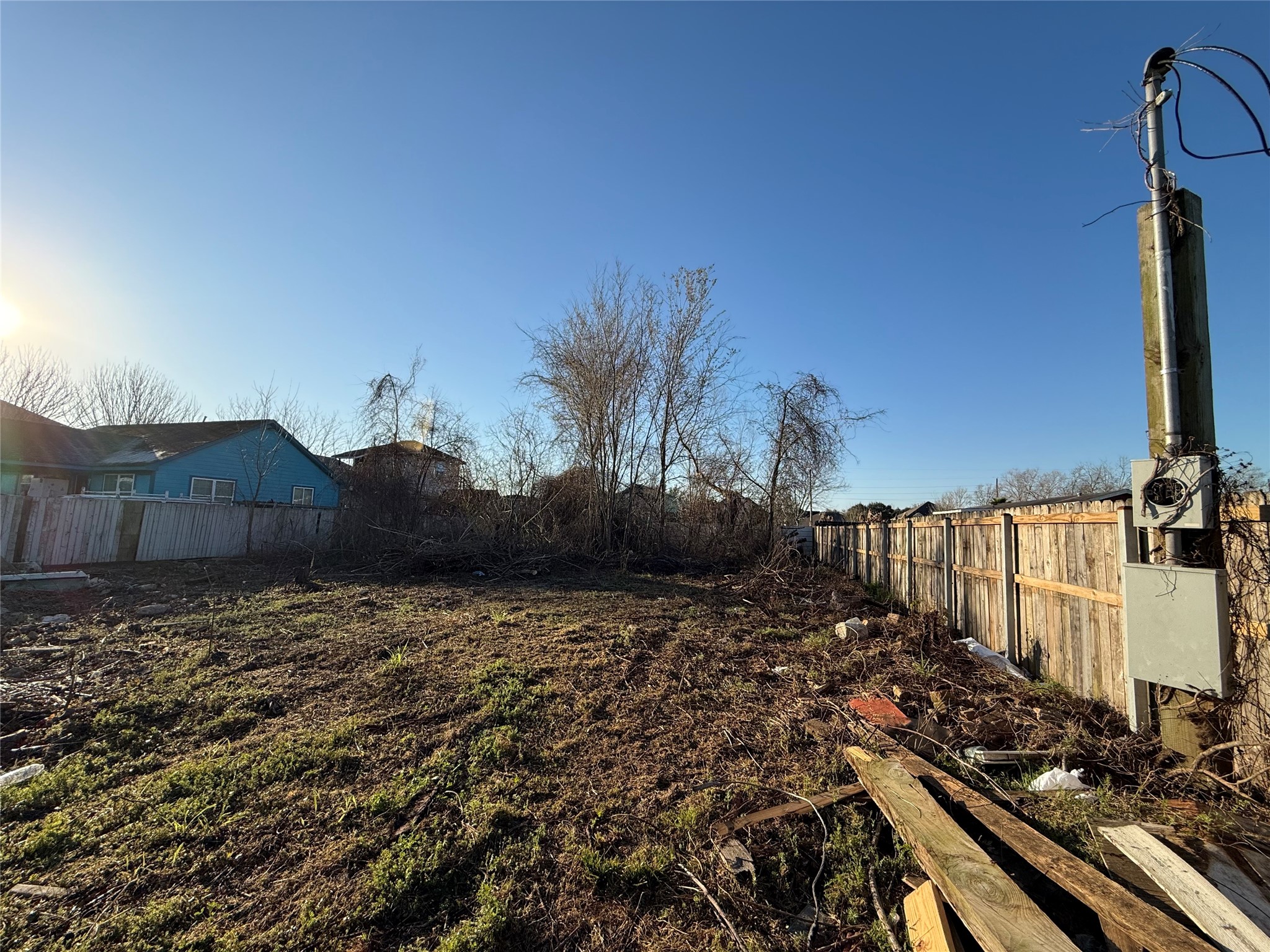
South Missouri City overlap, Brazos floodplain properties, and Fresno's growing residential base — turf engineered for Fort Bend County's most challenging drainage conditions.
Fresno occupies the southern tier of the Missouri City service area, positioned between Missouri City proper and the Manvel corridor along Highway 6 South and FM 521. This is true Fort Bend County bottomland — closer to the Brazos River floodplain than Quail Valley is, with heavier clay, more seasonal water table variation, and a drainage pattern that runs south through Oyster Creek and its tributaries. Homes in Fresno tend to sit on larger lots than the Quail Valley and Hunters Glen developments to the north, and the neighborhood character is different — less golf course overlay, more agricultural-transition land use with newer subdivisions built into what was pasture or rice field a decade ago. That background matters for artificial turf installation because base engineering on Brazos floodplain soils requires more aggressive aggregate depth, more attention to perimeter drainage outlets, and a drainage layer that can handle the kind of rainfall events that cause Oyster Creek and Mustang Bayou to run bank-full. Artificial Turf of Missouri City plans Fresno installations with that floodplain context in mind. We are not bringing a standard suburban installation template to Fresno lots that sit two or three feet above the seasonal water table — we are engineering a base that accounts for soil saturation cycles, perimeter drainage routes, and the specific grade behavior of each property. If you have a backyard that holds water after every spring storm, or a front yard where natural grass has been fighting saturated soil for three seasons, artificial turf with a properly engineered drainage base is not a luxury — it is the only surface solution that will actually work in Fresno's soil conditions.
Fresno sits in the Brazos River floodplain corridor south of Missouri City, requiring more aggressive drainage base engineering than properties north of Highway 6 where soils are somewhat less saturated.
Brazos floodplain clay in Fresno retains water significantly longer than Quail Valley soils, seasonal water table rises in late winter and spring can saturate subgrade, and new subdivision lots often have final grade conditions that weren't optimized for surface drainage.
We use deeper aggregate base profiles, perforated drainage layers, and perimeter outlet routing that directs water away from turf edges and toward existing drainage infrastructure rather than allowing it to pool under the surface.
Fresno homeowners get a surface that performs through the full Brazos floodplain seasonal cycle — usable when the backyard would otherwise be a mud field, and presentable year-round without the constant dead-patch cycles of natural grass on saturated soil.
Fresno projects start with a drainage-first site evaluation that documents seasonal water behavior, grade outlets, and soil saturation patterns before base design is finalized, followed by installation with drainage-optimized base and a final performance check.
Fresno coverage includes Highway 6 South and FM 521 corridor neighborhoods and new subdivision developments, with route connections to Missouri City, Richmond, Manvel, and Pearland western edge.
Fresno properties range from established agricultural-transition neighborhoods near FM 521 to new subdivision lots with drainage conditions that weren't fully resolved during development.
Fresno subdivision lots built on former pasture or rice field soils where final grade and drainage patterns need assessment before turf installation can be engineered properly.
Older Fresno residential properties with larger lots, mature landscape, and Fort Bend bottomland clay drainage behavior that requires site-specific base planning.
Properties near FM 521 and Highway 6 South with more acreage, outbuilding interfaces, and drainage patterns tied to agricultural drainage infrastructure.
Brazos floodplain soils, Oyster Creek drainage proximity, and the agricultural-to-residential transition character of Fresno's development history create installation conditions different from Missouri City's established neighborhoods.
Fresno sits closer to the Brazos River bottomland than Quail Valley-area properties, with clay soils that stay saturated longer after rain events and seasonal water table rises that affect subgrade behavior.
Properties in south Fresno near Oyster Creek and Mustang Bayou drainage basins need perimeter drainage routes that accommodate higher-flow storm events without backing up against the turf perimeter.
Newer Fresno subdivision lots sometimes have final grade conditions established during development that concentrate drainage toward back or side yards — we evaluate these patterns before base design.
Fresno homeowners on new subdivision lots, established neighborhood residents dealing with chronic drainage issues, and larger-lot property owners all need installation plans that account for Brazos floodplain soil conditions.
Fresno homeowners in newer developments who have been fighting saturated backyards since move-in — we engineer the drainage base that the original development should have provided.
Longer-term Fresno residents on larger lots who want a low-maintenance surface that holds up through the full Fort Bend County weather cycle without a landscaping service.
Properties near FM 521 and Highway 6 South with more complex drainage considerations, including agricultural drainage infrastructure interfaces.
Fresno installations are planned around seasonal drainage windows — we avoid scheduling major base work immediately following heavy rain events that would leave the subgrade saturated. Site-specific scheduling recommendations come out of the initial evaluation.
Fresno coverage includes Highway 6 South and FM 521 corridor neighborhoods and developing residential areas, with route connections to Missouri City, Richmond, Manvel, Pearland western edge, and Rosenberg.
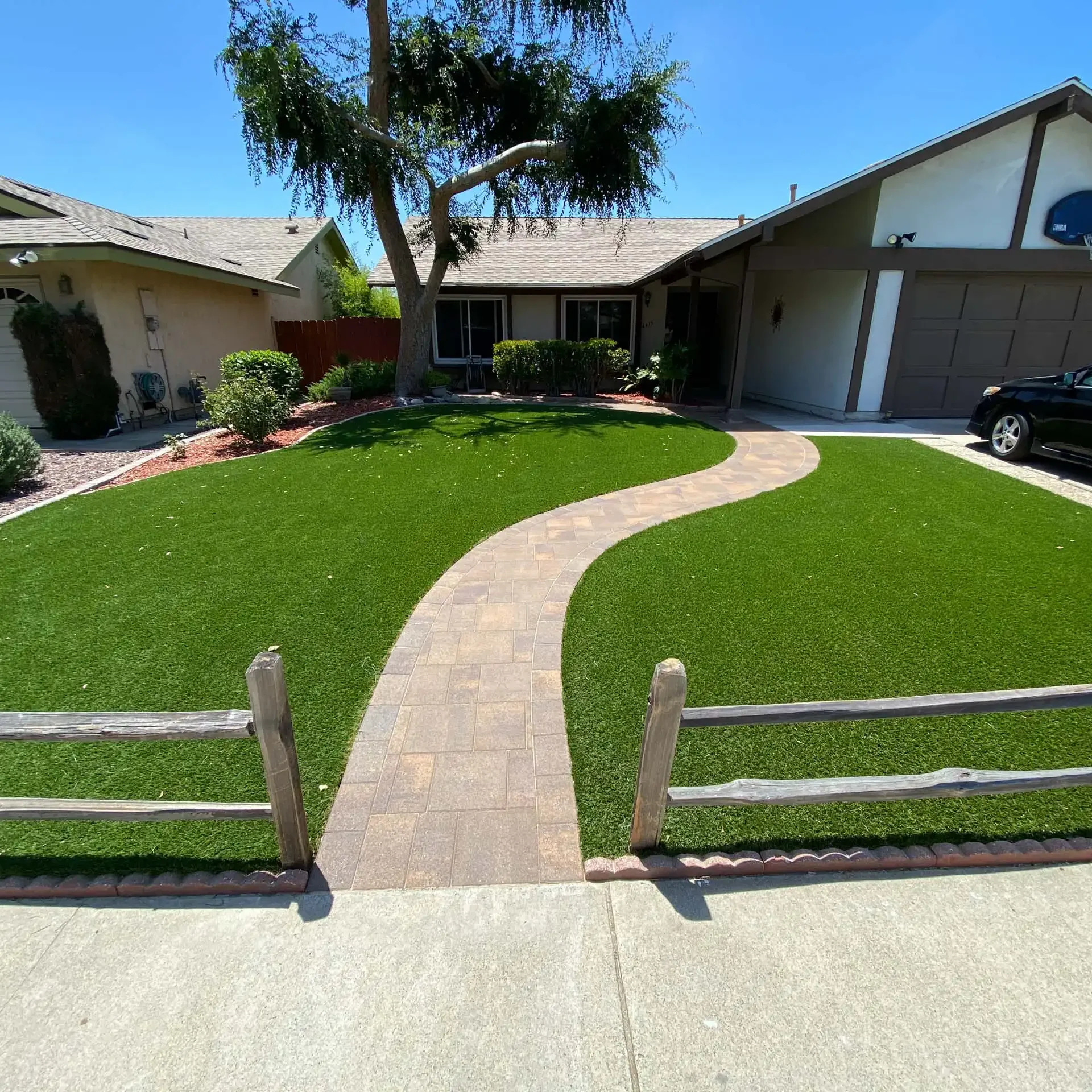
Full artificial turf installation for Fresno properties engineered for Brazos floodplain clay conditions and seasonal drainage challenges.
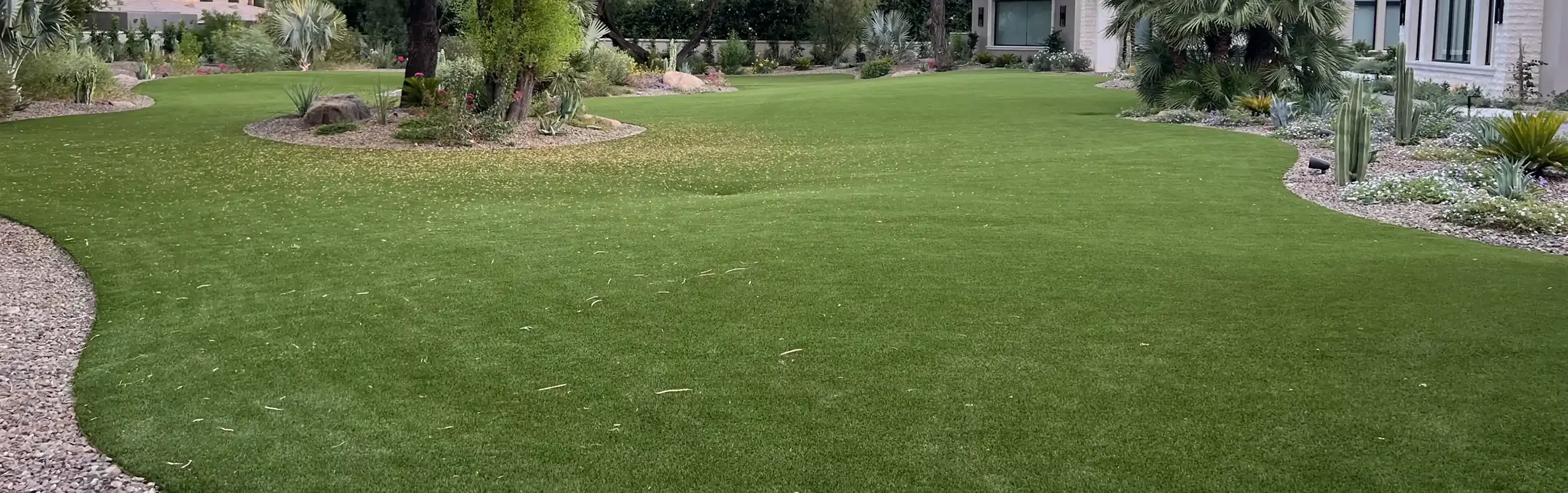
Residential turf for Fresno's new subdivision lots and established neighborhoods with Fort Bend bottomland drainage challenges.
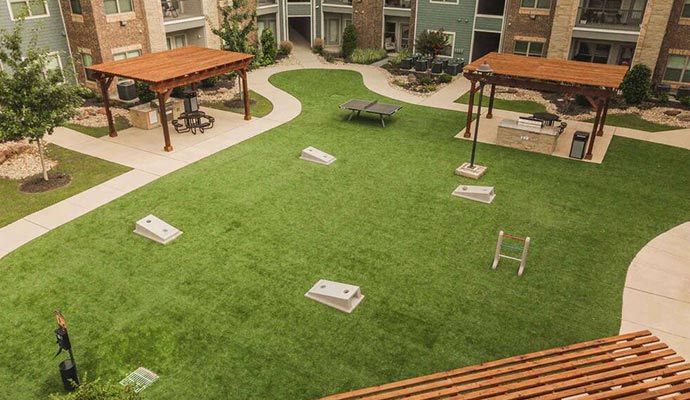
Commercial turf for Fresno properties on the Highway 6 South and FM 521 corridor.
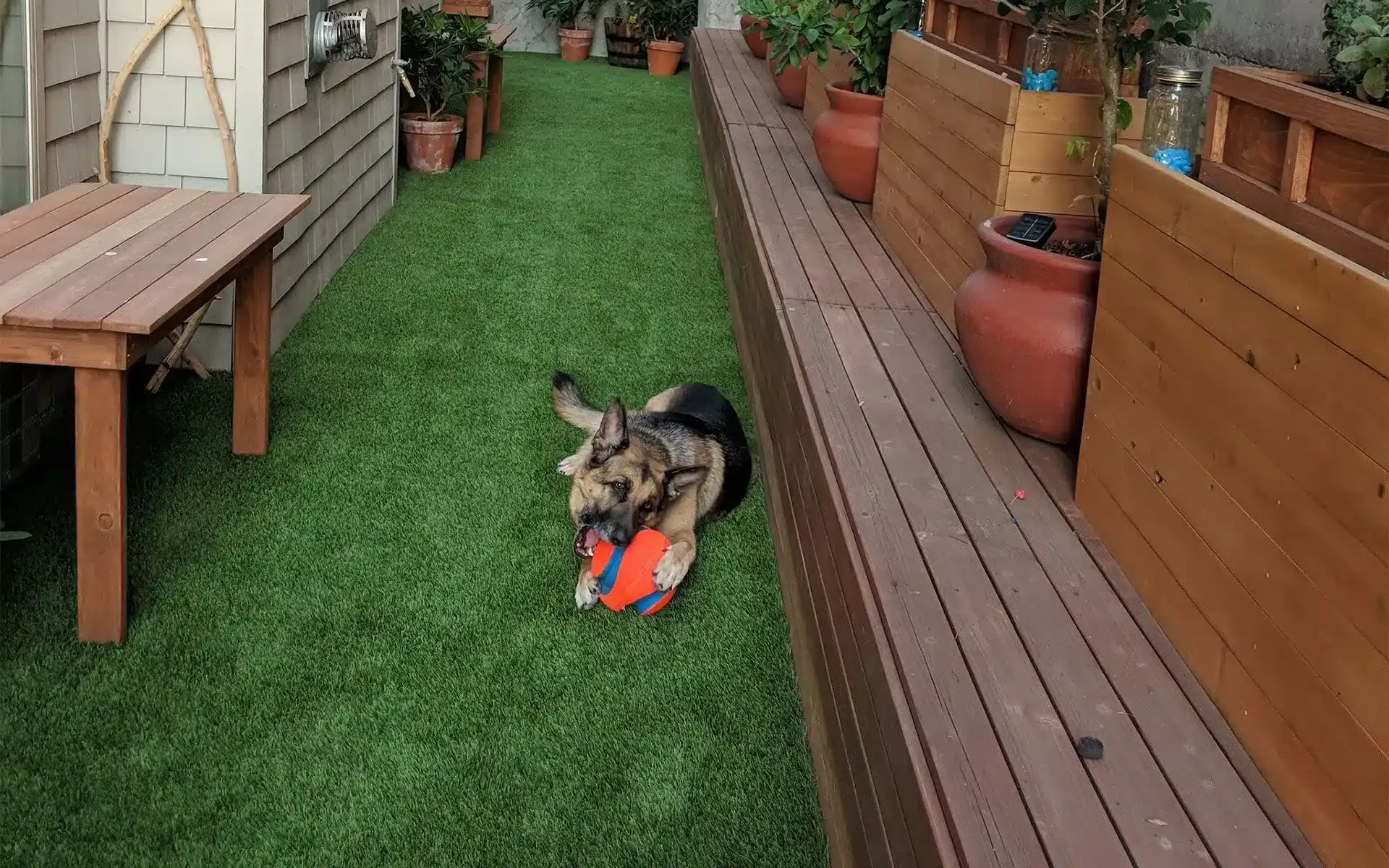
Pet-specific drainage turf for Fresno homes where Brazos floodplain soil conditions make natural grass impractical.
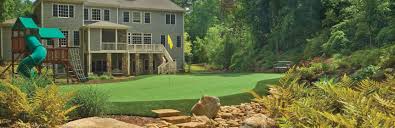
Custom putting greens for Fresno properties with larger lots and space for a backyard golf practice area.
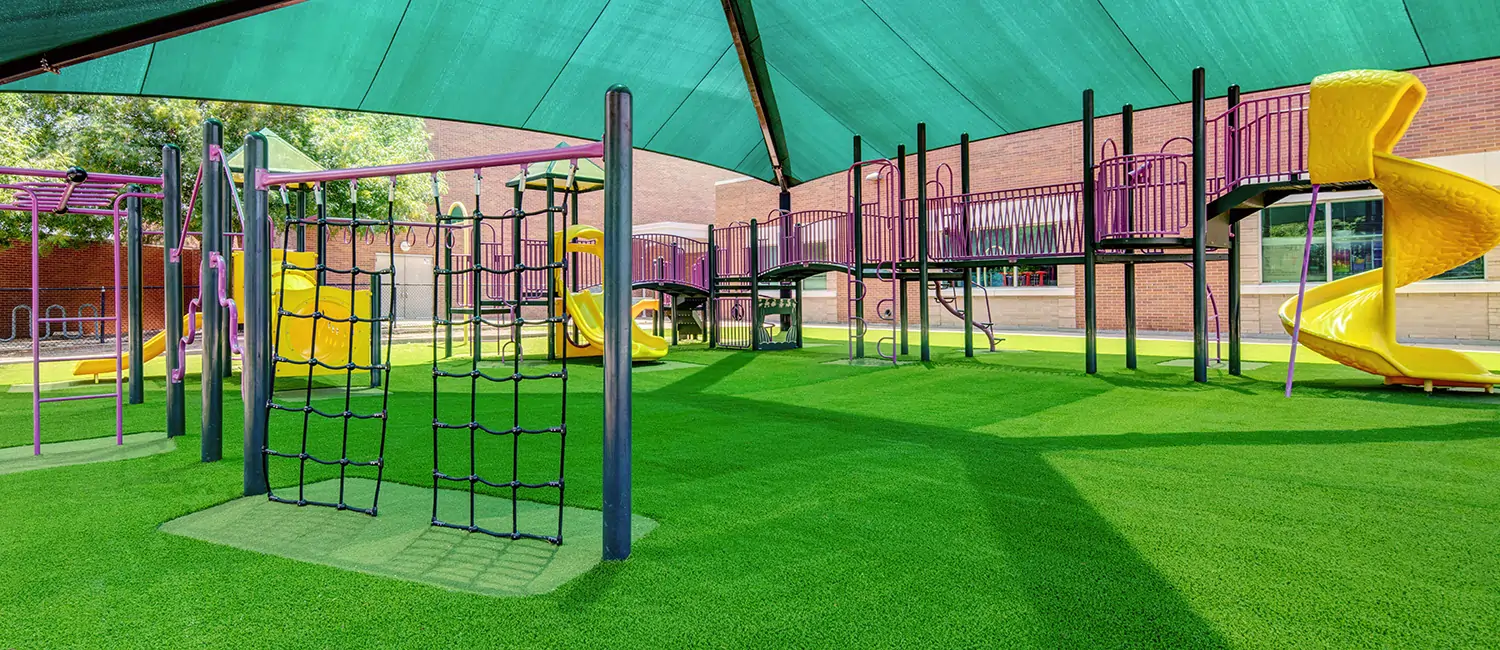
Safe-surface playground turf for Fresno residential properties and community play areas.
Artificial turf with a properly engineered drainage base can significantly reduce surface standing water, but the effectiveness depends on where the water is draining to. We evaluate your property's drainage outlets during site assessment and design the base to direct water toward them rather than pooling on the surface.
Fresno sits closer to the Brazos floodplain bottomland, so the clay is generally heavier and retains water longer. We use deeper aggregate base profiles and more aggressive perimeter drainage routing on Fresno properties compared to Quail Valley-area lots.
We plan base installation around dry periods to avoid working on saturated subgrade. Site-specific scheduling comes out of the initial evaluation, and we set realistic timelines based on the seasonal drainage pattern for your specific property location.
Yes. Manvel and the southern FM 521 corridor south of Fresno are within our route coverage area, with the same Brazos floodplain soil conditions that define Fresno project engineering requirements.
Product selection is driven by the drainage base engineering more than the turf face fiber — the base is what makes or breaks performance on Brazos floodplain soils. We match face fiber and pile height to the intended use after the drainage system design is confirmed.
Send project details and timeline information to get route scheduling options for this location.
Call